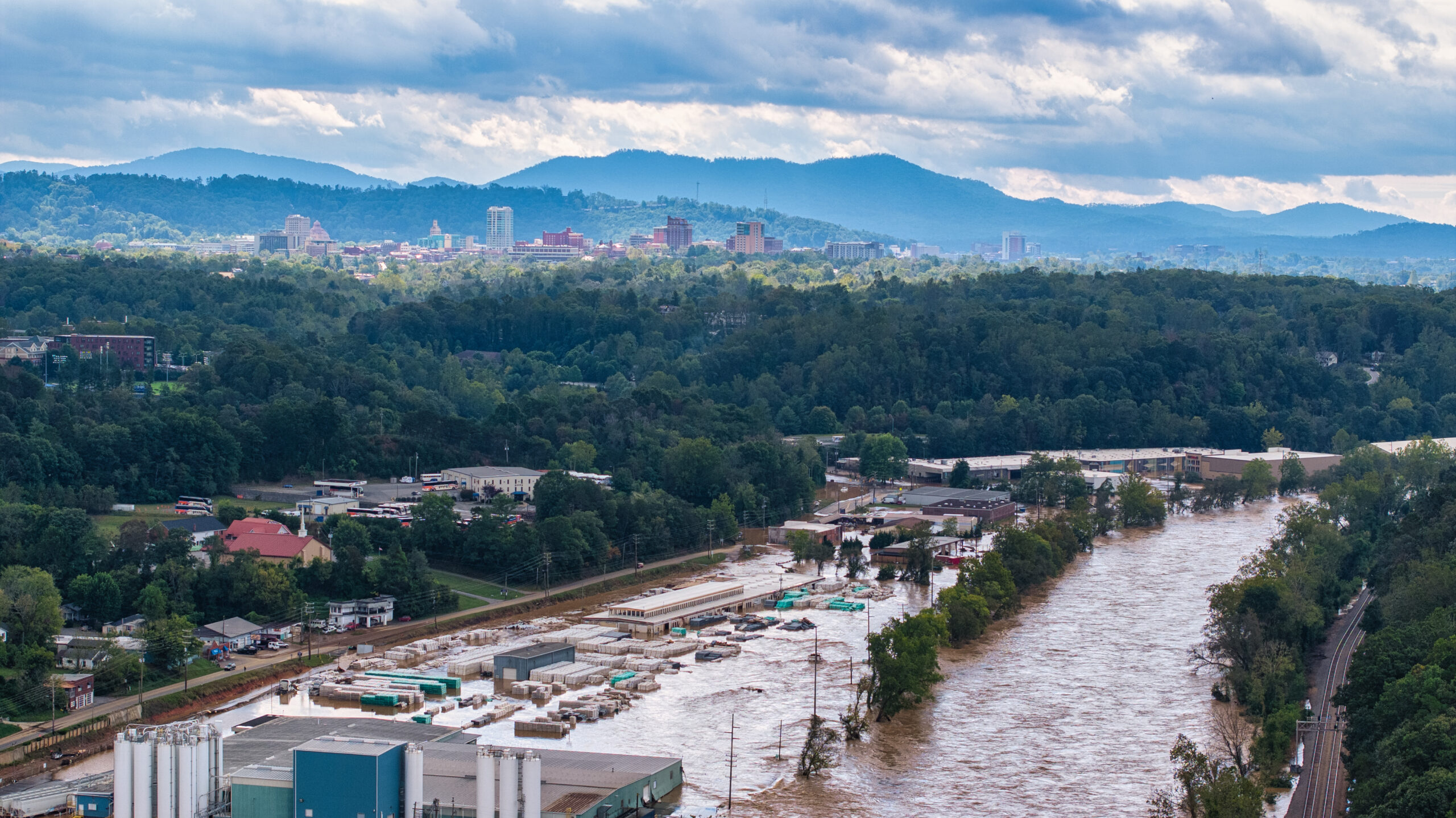
September 27 marks the anniversary of Hurricane Helene, a weather event that hit western North Carolina as a tropical storm and tested our community in powerful ways. Asheville has lost community members, faced record flooding and extensive infrastructure damage, and remains deeply involved in recovery work. However, we also witnessed something remarkable: neighbors helping neighbors, local teams working tirelessly around the clock, an outpouring of help from outside the region, and a city determined to bounce back stronger than ever before.
In the aftermath of Hurricane Helene, one lesson is clearly evident: connected and prepared neighborhoods are better equipped to recover more quickly. You can take steps now by taking time to meet or reconnect with your neighbors. Exchange phone numbers, learn who may need extra help during an emergency, and identify skills or resources that could be shared. A quick check-in after a storm or power outage can make a significant difference for someone in need, and a connected community is a safer and more resilient one.
This month, the City’s social media platforms will highlight how Asheville’s neighborhoods united in the aftermath of Helene, demonstrating their resilience and ability to overcome unimaginable challenges.
As we remember the heroic efforts of that time, Emergency Preparedness Month serves as a reminder that readiness matters. Whether it’s severe weather, power outages, or other unexpected events, having a plan in place ahead of time helps protect you, your family, and your neighbors and strengthens our community as a whole.
Know Your Risks
Every neighborhood has its own specific set of risks. Here in Asheville and Buncombe County, the most common risks include flooding, landslides, extreme temperatures (both hot and cold), and wildfires.
- To learn more about your neighborhood’s risks, enter your address in the Climate Justice Map and review the sidebar.
Sign up for local alerts through AVL Alert so you’ll get timely updates when it matters most.
Make a Plan
A good emergency plan clarifies decisions when action is needed and communication may not be possible. Having a family plan is the first step and may include your neighbors, who are often the first to respond in an emergency. Key components of an emergency plan include:
- Designated Meeting Spots: Agree on four distinct meeting points.
- 1. Outside your home when you need to get out but it’s safe to be close by – make sure people meet at this spot (instead of entering a neighbor’s house) to ensure that everyone is accounted for
- 2. Off the property but still in the neighborhood
- 3. Outside of the neighborhood
- 4. Outside of the region – likely at a friend or relative’s home
- If you have children, learn about their school emergency plans and consider how you will reunite if an emergency happens while you are at work and your kids are at school.
- One should be close to your home, such as a neighbor’s house or a specific landmark, for scenarios where it’s safe to remain in the immediate vicinity but not inside your residence. The second meeting spot should be located outside your neighborhood, such as a relative’s home, a community center, or a designated public shelter. This ensures a reunion point if your immediate area becomes inaccessible or unsafe.
- Communication Strategy: In emergencies, cell phones and email can be unreliable.. Decide on alternative ways to communicate. This could involve designating an out-of-state contact person whom everyone can check in with, as long-distance calls or texts may be more successful than local ones. Consider pre-arranging a specific time to try to connect. For those without cell phones, identify landline numbers or agree on a specific radio station for official updates. The likelihood of communication difficulties highlights the importance of agreed-upon emergency plans that can be followed without real-time communication.
- Special Needs and Vulnerable Populations: Your plan must account for any special needs in your household. This includes:
- Pets: Include pet considerations when building your emergency kits, including food, water, medications, leashes, carriers, and vaccination records. Identify pet-friendly shelters or make arrangements with friends/family outside your immediate area to care for pets if needed.
- Elderly Family Members: Consider their mobility, medication needs, and any assistance they might require during an evacuation. If they don’t live with you, ensure they have easy access to emergency contacts and medical information.
- Neighbors Who Need Extra Help: Be a good neighbor. Identify anyone on your street who might need assistance, such as those with disabilities, chronic illnesses, or limited mobility, and coordinate with them ahead of time if possible. Check on them and make sure they are accounted for in an evacuation scenario.
- Evacuation Routes and Shelter Locations: Familiarity with your surroundings is vital. Know and practice at least two primary evacuation routes from your home and neighborhood in case one is blocked or inaccessible. Identify the locations of official emergency shelters in your area and understand their operating procedures.
Beyond the immediate plan, practical preparations for specific scenarios are crucial:
- Power Outage Preparedness: Power outages, especially those lasting several days, can severely impact daily life.
- Vehicle Fuel: Keep your vehicle fuel tanks at least half full at all times. In a widespread emergency, gas stations may be unable to pump fuel due to a lack of electricity or a shortage of fuel supply refills, and long lines may form at gas stations.
- Cash on Hand: ATMs and credit card machines will be inoperable during a power outage. Have a supply of small bills on hand for necessary purchases.
- Charged Battery Packs: Invest in portable power banks and keep them fully charged. These can be lifesavers for charging cell phones and other small electronic devices when the grid is down. Consider solar chargers as a sustainable alternative.
- Lighting and Heating/Cooling: Stock up on flashlights with extra batteries (avoid candles as they are a fire hazard), and consider a battery-powered, solar, or hand-crank radio for news updates. For heating, have extra blankets and warm clothing. For cooling, identify cool spaces or methods to stay comfortable without electricity.
- Food and Water: Maintain a supply of non-perishable food items that require no cooking or refrigeration. Store at least one gallon of water per person per day for drinking and sanitation, for a minimum of three days.
- Resilient Energy Systems: Solar with a battery or solar or fossil fuel generators can provide backup energy when the grid goes down.
Build Your Emergency Kit
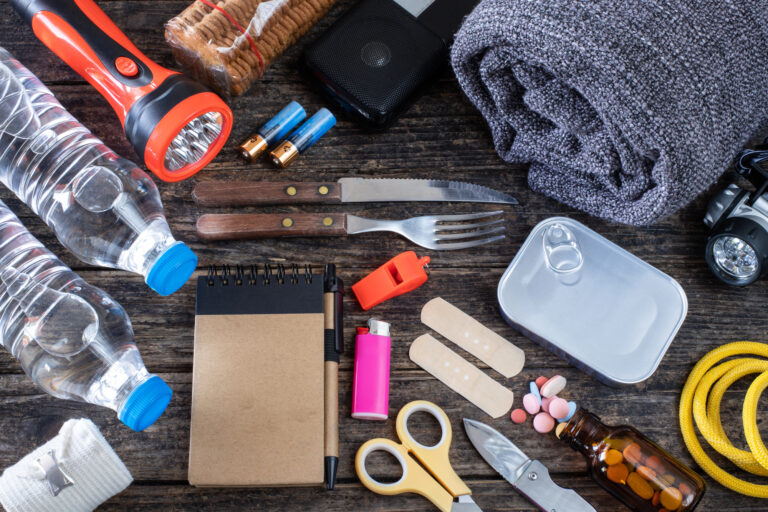
When emergencies strike, every second counts. Having a well-stocked emergency kit readily available can make all the difference in ensuring your safety and that of your loved ones. Your kit should be comprehensive and tailored to the unique needs of your household. Consider a kit for sheltering at home, a kit for your car, and a kit if you need to evacuate.
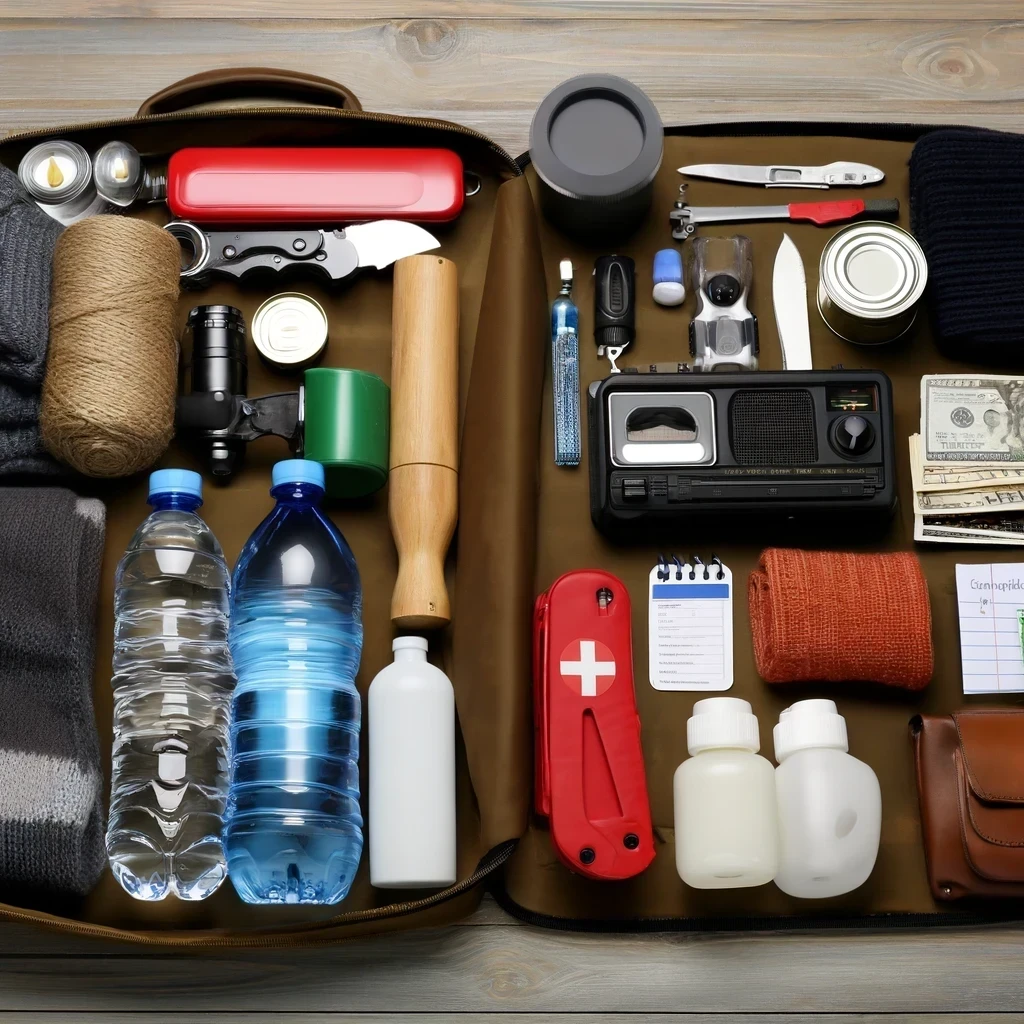 Here’s a detailed breakdown of essential items to include:
- Water: Store at least one gallon of water per person per day, with a minimum of three days’ supply. Consider having a longer supply if you live in an area prone to extended disruptions. This water is crucial for drinking and basic hygiene.
- Non-perishable Food: Pack a three-day (or more) supply of non-perishable food items that require no cooking or refrigeration. Think about canned goods, energy bars, dried fruits, and nuts. Don’t forget a manual can opener, and be sure to use and replenish items with expiration dates.
- Flashlights and Extra Batteries: Power outages are common during emergencies. Several reliable flashlights, along with a generous supply of extra batteries, are indispensable for lighting your way and signaling for help. Solar-charged lights are an excellent option for continued recharging.
- First-Aid Kit and Necessary Medications: A well-equipped first-aid kit is vital for treating minor injuries. Include bandages, antiseptic wipes, pain relievers, and any necessary prescription medications for all family members, ensuring you have at least a seven-day supply. Consider taking a class to learn how to use your kit and administer first aid effectively. Wilderness first aid training is particularly applicable in disaster scenarios where professional help is delayed.
- Copies of Important Documents: Keep copies of vital documents such as identification, insurance policies, medical records, and bank account information in a secure and waterproof location in your kit. These can be critical for recovery efforts after an emergency.
- Phone Chargers (including Portable Battery Packs): Your mobile phone can be a lifeline during an emergency. Ensure you have regular chargers and fully charged portable battery packs to keep your devices powered up. Solar chargers can keep you charged up over time.
- Battery-Powered Radio: A solar, battery-powered, or hand-crank radio can provide essential updates and information when other communication methods are unavailable. Tune in to local emergency broadcasts for instructions and news.
- Specialized Supplies: Remember to include items for specific needs within your household. This includes:
- Pet Supplies: Food, water, leashes, and any necessary medications for your pets.
- Baby Items: Diapers, formula, bottles, and any specific medications for infants.
- Special Medical Equipment: If anyone in your household relies on specialized medical equipment, ensure you have a plan for power outages or alternative power sources, along with any necessary supplies.
By preparing emergency kits in advance, you empower yourself and your family to face unexpected challenges with greater confidence and safety. Regularly check and update your kit to ensure all items are current and in good working order. The more familiar you are with the items, the more useful they will be in an emergency.
Check out this video featuring Asheville Fire Department staff members Kelly Hinz and Jeremy Brooks, along with Neighborhood Services Specialist Trey Irby, as they pack an emergency kit for sheltering at home.
Practice Your Plan
It’s not enough to simply have a plan; you need to practice it and put it to the test before an actual emergency strikes.
- Schedule a “drill day” with your household this month. Treat it like a real emergency and practice escape routes from each room, identify the agreed-upon safe meeting points from your emergency plans, and review how to shut off utilities if necessary (don’t actually shut off a gas line, as this will require professional help to turn back on). Ensure that everyone, including children, understands their role and what to do in various scenarios, such as a fire, a severe storm, or a power outage. The more you practice, the more instinctive and effective your response will be when it truly matters.
- Check your emergency kit and replace any expired items. Make sure your kit is ready to sustain your household for at least 72 hours, as it may take time for first responders to reach you.
- Make sure everyone knows where to go and who to contact. Review and discuss your emergency and communication plans. Talk through and consider specific scenarios. Having these conversations ahead of time can significantly reduce stress and confusion during a crisis.
Take One Step Today
Emergency preparedness doesn’t have to be overwhelming. Pick one action you can take this week — sign up for AVL Alert, start your kit, or talk to a neighbor about a communication plan.
For additional comprehensive information, check out ready.gov.
You can also download the Climate Action Toolkit, or pick up a paper copy at these locations:
- Asheville Parks & Recreation Community Centers: Burton Street, Grant Southside, Harvest House, Shiloh, Stephens-Lee, Tempie Avery Monford
- Buncombe County Libraries: East Asheville, North Asheville, South Buncombe, Pack Memorial, West Asheville
By preparing together, we help keep Asheville strong, safe, and ready for anything.