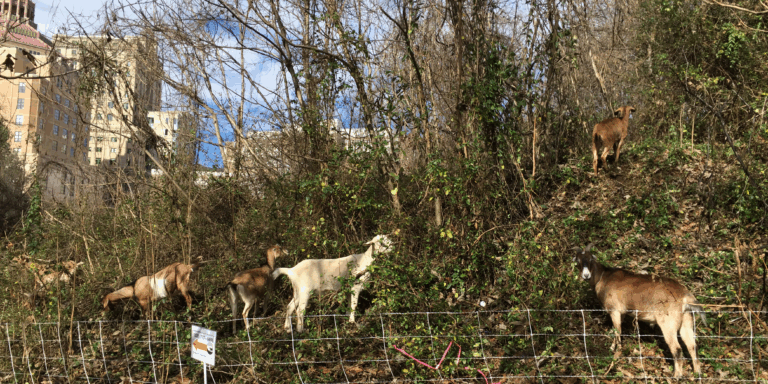
Ever wondered what goes on behind the scenes to keep Asheville’s parks beautiful, healthy, and thriving for people, plants, and animals? Asheville Parks & Recreation (APR) uses a variety of tools and techniques to manage diverse plant life in the city’s public recreation spaces – ranging from goats to controlled fire.
The overall goal is fairly simple: manage vegetation in ways that promote healthy ecosystems, protect local natural resources, and provide welcoming, resilient spaces for neighbors to connect with nature and each other. In a city facing increasingly unpredictable weather, this resilience is vital for the community’s safety and well-being. In practice, it’s much more than just “mowing the lawn.” APR’s processes are science-based, ecological approaches customized to meet the specific needs of the different ecosystems we manage.
Read on for a look at innovative methods APR manages plant life in your favorite parks, broken down by habitats they support and challenges they address.
Asheville’s Local World of Pollination and Seed Dispersal
When talk turns to pollination, many immediately think of bees and butterflies. What people don’t often think of is the high importance of pollinators for food production. Asheville’s parks and public spaces support habitats for a much wider range of animals essential to a healthy ecosystem:
- Insects including bees, butterflies, moths, flies, and beetles are key pollinators.
- Birds and Mammals: While often associated with seed dispersal (carrying seeds from fruits or nuts to new locations), animals like bats are critical pollinators for certain plants. Squirrels, deer, and other small mammals disperse seeds by consuming and moving nuts and fruits, ensuring the next generation of trees and plants grows. By planting diverse native species, APR provides food and shelter for all these creatures.
 Maintaining Habitats for Pollinators and Seed Spreaders
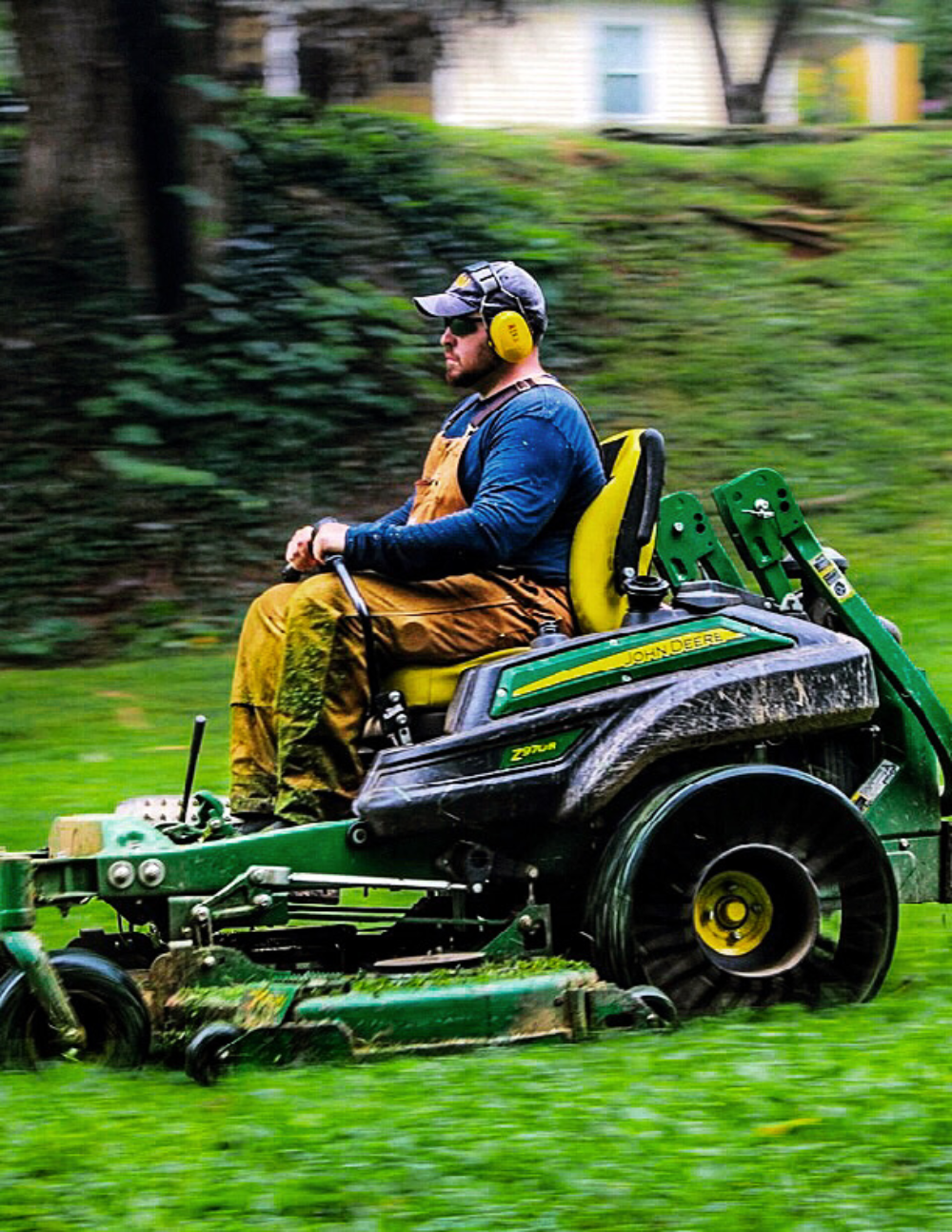
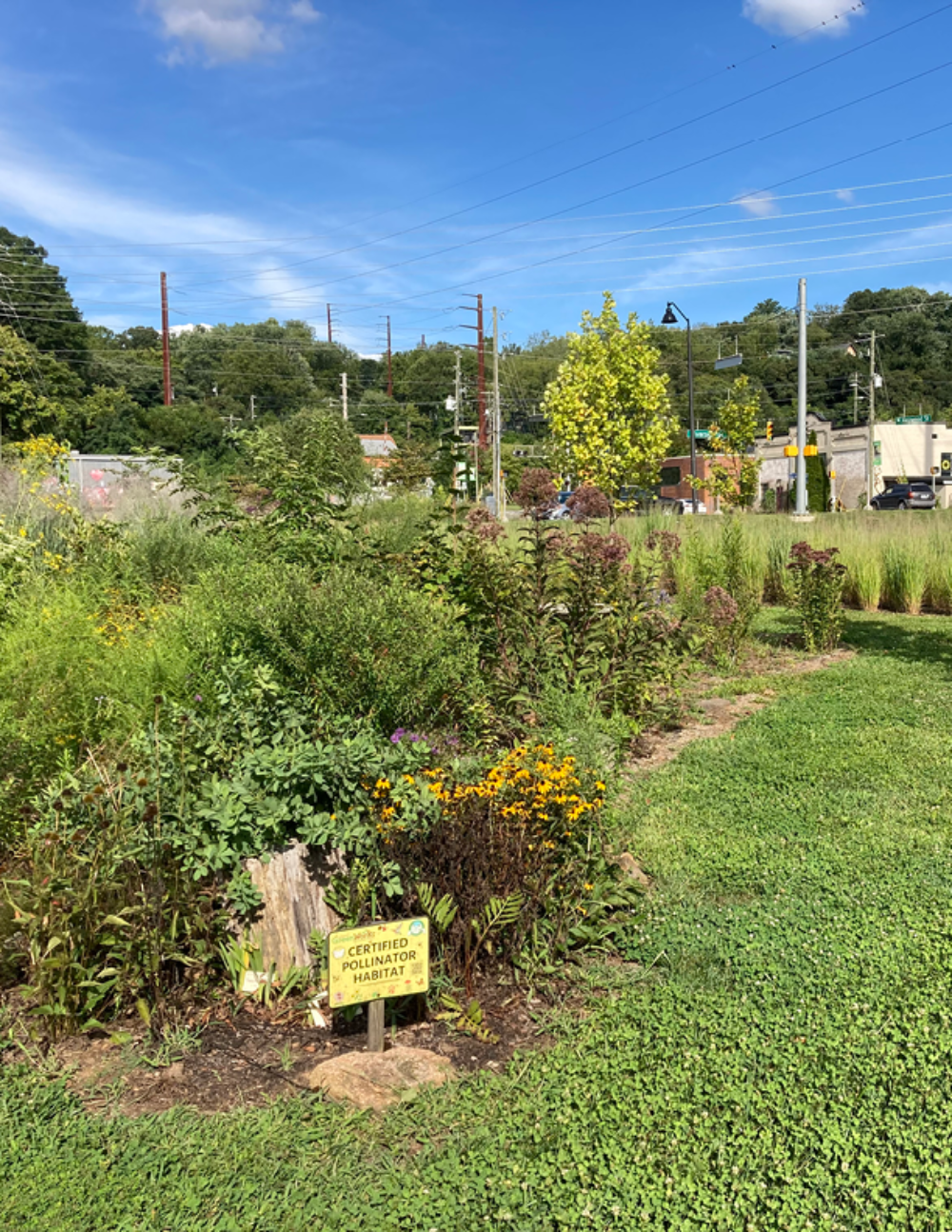
Habitats like pollinator gardens and meadows are critical for the survival of beneficial pollinator insects, as well as seed spreading animals. Managing these areas requires a special, ecologically-driven maintenance plan to maximize biodiversity and habitat resilience. Areas managed for pollinators don’t look like a neatly mowed lawn and might appear “messy,” but the growth is there to benefit the overall local ecosystem.
Mowing for Life
Unlike ornamental lawns, meadow mowing in Asheville’s parks is timed and executed specifically to benefit wildlife.
- Height: Mowers are set to a minimum height of 6-8 inches, allowing plants to re-grow quickly and preventing disturbance to ground-nesting insects.
- Timing: Mowing of designated pollinator habitats occurs annually or biannually in late fall or early spring, outside of the primary pollinator activity season to ensure active insects are not harmed.
- Rotational Refuges: APR uses a rotational mowing schedule so that a portion of the habitat is always left undisturbed, providing continuous refuge and overwintering spots for wildlife. This means you might see dead plant stalks or other natural parts of a plant’s life cycle that you wouldn’t normally see in a residential lawn.
Supporting Native Plants
Non-native species are plants and animals living in areas where they do not naturally exist. However, “non-native species” and “invasive species” are not interchangeable terms. Many commonly grown fruits and vegetables are not native to the United States. For example, tomatoes and hot peppers originated from South America, while lettuce was first grown by Egyptians. Invasive species are non-native species whose introduction causes economic or environmental harm or harm to human health.
When APR removes invasive plants, the remaining area must be restored to its natural state. Staff and volunteers plant native, locally-sourced wildflowers and grasses that are specifically beneficial to a wide range of pollinators and seed spreaders, providing continuous blooms and host plants that native insects and wildlife need to thrive. APR staff use the City of Asheville’s Local Invasive Plants Identification Guide when controlling invasive species in our parks – and you can use it, too!
Ecological Power of Controlled Burns
Controlled burns are another vital tool for meadow and forest health. APR partners with Asheville Fire Department (AFD) to execute these operations safely.
- Why Burn? Fire is a natural part of many ecosystems and controlled burns are used to:
- Control Woody Plants: Stop trees and shrubs from encroaching on open meadows and open fields.
- Reduce Fuel Loads: Minimize risk of dangerous, unplanned wildfires.
- Stimulate Growth: Fire releases nutrients back into soil, triggering growth of native plants and enhancing overall soil health.
- Improve Wildlife Habitat: Removing invasive plants and dead vegetation encourages growth of nutritious native plants that provide food and cover, as well as creating more open areas that allow sunlight to reach the ground to help control disease and pests.
- Safety First: Burns are carefully planned with formal burn plans and required permits, and are only executed when weather conditions are perfect. AFD leads operations, ensuring public safety and smoke management are the top priorities. Local residents and businesses are notified in advance. (Sign up for AVL Alert for exact dates of controlled burns and other timely emergency notifications from AFD.)
Flood Resilience and Water Quality
Another critical role of vegetation management happens along Asheville’s rivers and streams in riparian zones and wetlands. Native plants in these areas are one of nature’s best defenses against flooding and pollution, protecting not just the parks but the homes and businesses downstream.
Native Plants Protect Asheville’s Waterways
- Slowing Flow and Reducing Flood Risk: Dense, deep root systems of native grasses, shrubs, and trees in riparian buffers act like a giant sponge. They capture rainwater and slow down the speed of stormwater runoff before it reaches the river. This “braking” effect reduces the volume and velocity of water that rushes downstream which helps to prevent sudden, destructive flooding.
- Filtering Pollutants for Clean Water: As runoff flows through these vegetated buffers, plants and soil filter out pollutants. They are incredibly effective at trapping sediment, nutrients like nitrogen and phosphorus from lawns and farms, and chemicals from roads, which significantly improves water quality before it enters local streams.
- Stabilizing Banks: This network of roots holds soil in place and stabilizes stream banks, helping to prevent erosion. This is crucial for protecting stream channels and reducing the amount of fine sediment flowing in our waterways, which can harm aquatic life.
By maintaining these critical habitats, APR strengthens the natural infrastructure of the city, making the community more resilient to heavy rain events and ensuring cleaner water for everyone.
Strategic Fight Against Invasive Plants
Invasive plants are a major threat to native ecosystems because they crowd out local species that wildlife and pollinators depend on. APR’s strategy for managing them is thoughtful and aims to minimize environmental impact.
- Manual and Mechanical Power: The preferred option is manual removal which is done with the use of staff, volunteers, brush mowers, and even heavy equipment to break invasive species’ seed cycles and prevent seeds from spreading.
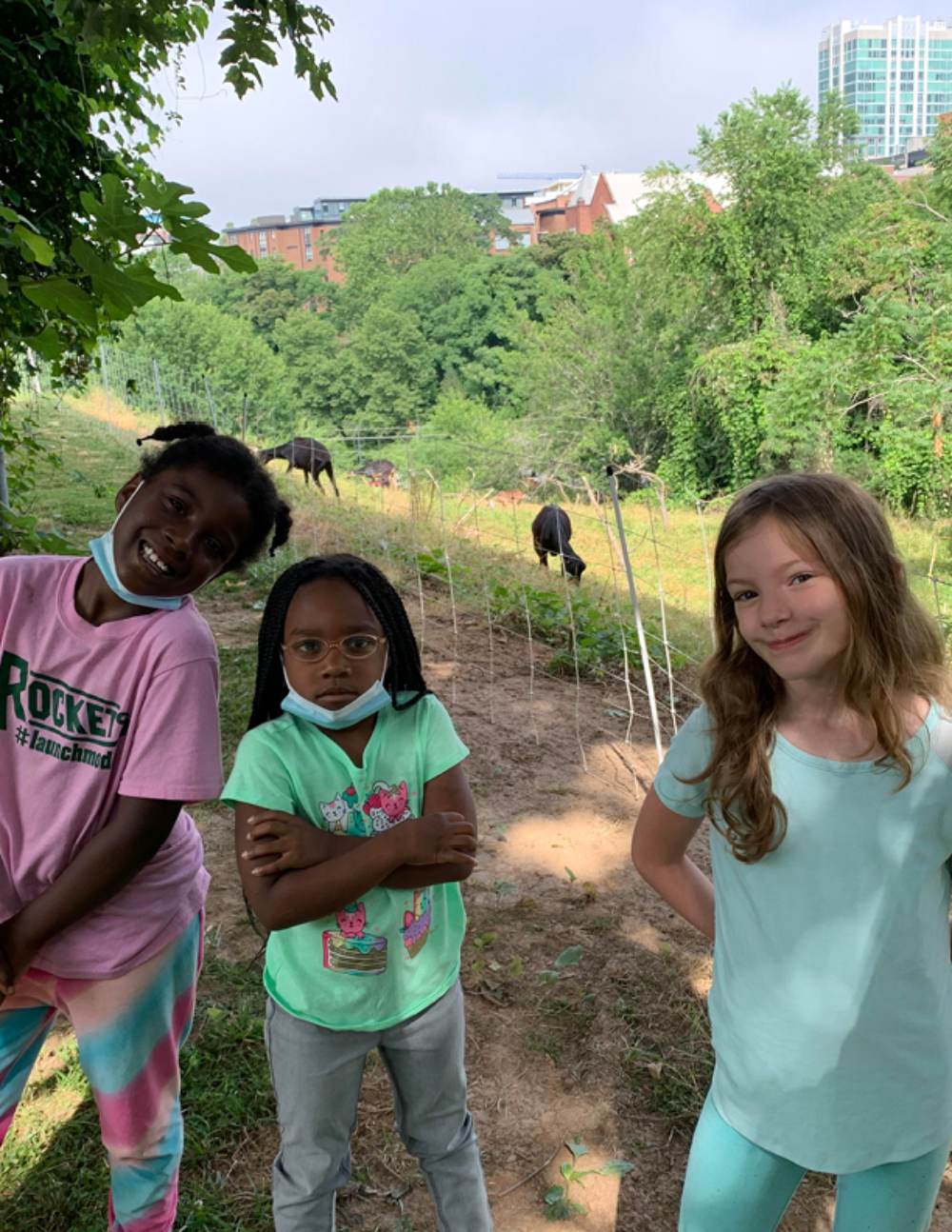
- Goats, the Cutest Team Members: These natural browsers are an eco-friendly and effective way to clear large areas of dense, invasive vegetation without the use of machinery or chemicals. Goats are effective because they prefer tough, thorny, and woody invasive plants over grass, their droppings can help improve soil health for native species, and they trample roots in areas where machinery and maintenance crews cannot easily access. They’re often deployed to tackle dense invasives like kudzu or privet in steep or hard-to-reach areas where the public can often spot them working.
- Targeted Spraying (A Last Resort): In some areas, such as parking lots, ornamental planting beds, or places where manual removal isn’t feasible, a very limited and targeted spray may be used. This is done with extreme caution and strict oversight:
- It is performed only by licensed applicators who follow strict state and OSHA guidelines.
- It is strictly prohibited in or around play areas and edible gardens.
- There is absolutely no broadcast spraying (spraying over a large, non-specific area) of any kind.
Partnering with the Community
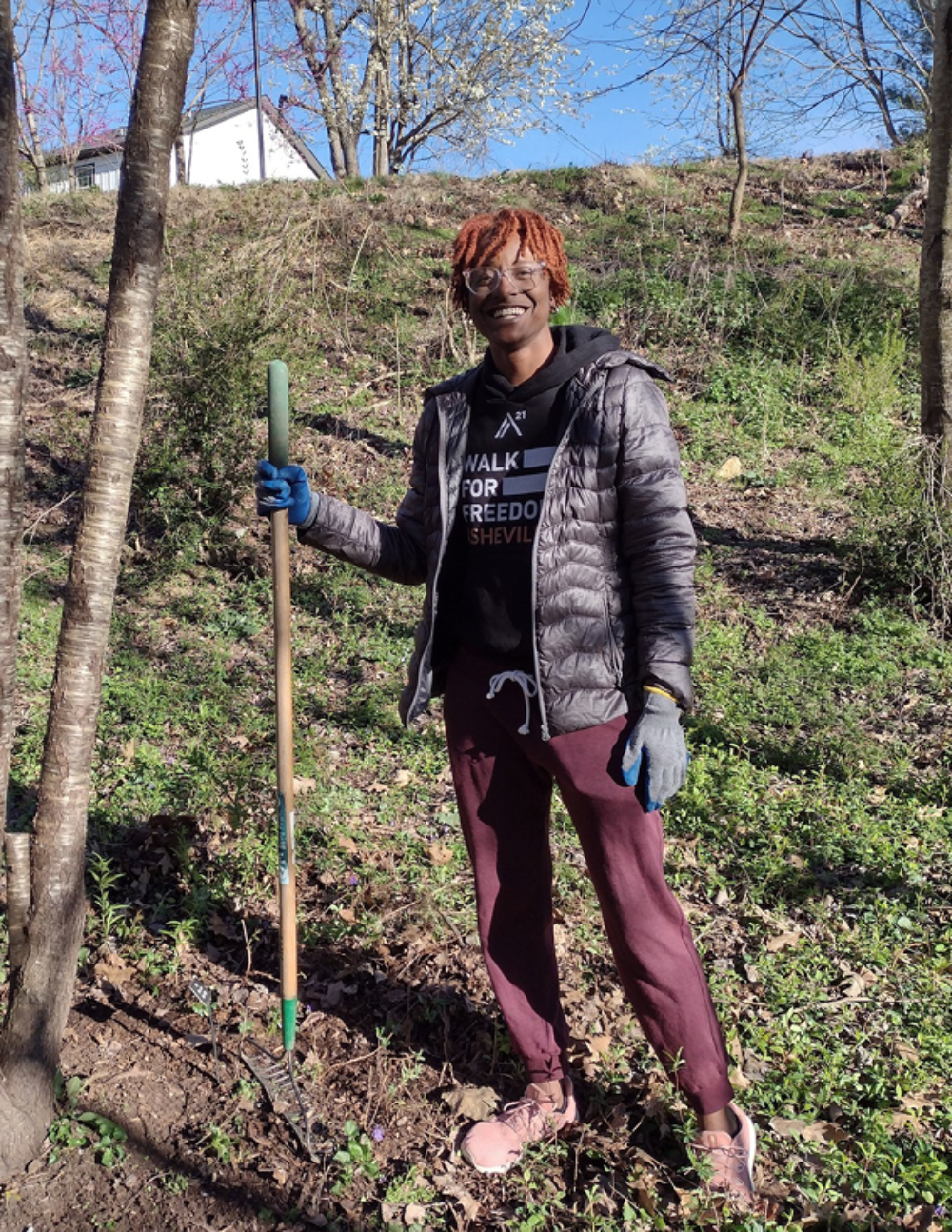
Ultimately, public parks belong to the community and stewardship is a shared effort. APR encourages the public to get involved:
- Volunteer Days: Participate in regular volunteer events for litter cleanup, native planting, and manual invasive species removal. You’ll get your hands dirty and see the science in action! Asheville GreenWorks and Bountiful Cities host regular workdays in Asheville’s parks and green spaces.
- Plant Native at Home: Replace invasive plants with native species that support local pollinators and “leave the leaves” to create food and shelter for butterflies, bees, beetles, moths, and other essential members of the local ecosystem.
- Educational Opportunities: Look for signs in meadow and wetland areas to learn about the importance of pollinators and various maintenance techniques in use. APR also hosts workshops and tours.
- Report Issues: Use the Asheville App to report excessive dumping or erosion in critical riparian zones
By using a diverse, science-based approach, APR is committed to managing shared natural spaces to ensure they remain healthy and vibrant for generations to come.
Explore, Connect, Discover with APR
Vegetation management and pollinator gardens are just a couple of examples of the APR action! Check out APR’s current program guide for hundreds of opportunities to stay happy and healthy in your city. Use these resources to discover additional opportunities:
- Search Asheville Parks & Recreation programs online
- Subscribe to Asheville Parks & Recreation’s newsletters
- Follow APR on Instagram and Facebook
- Visit parks, greenways, playgrounds, and unique spaces throughout Asheville