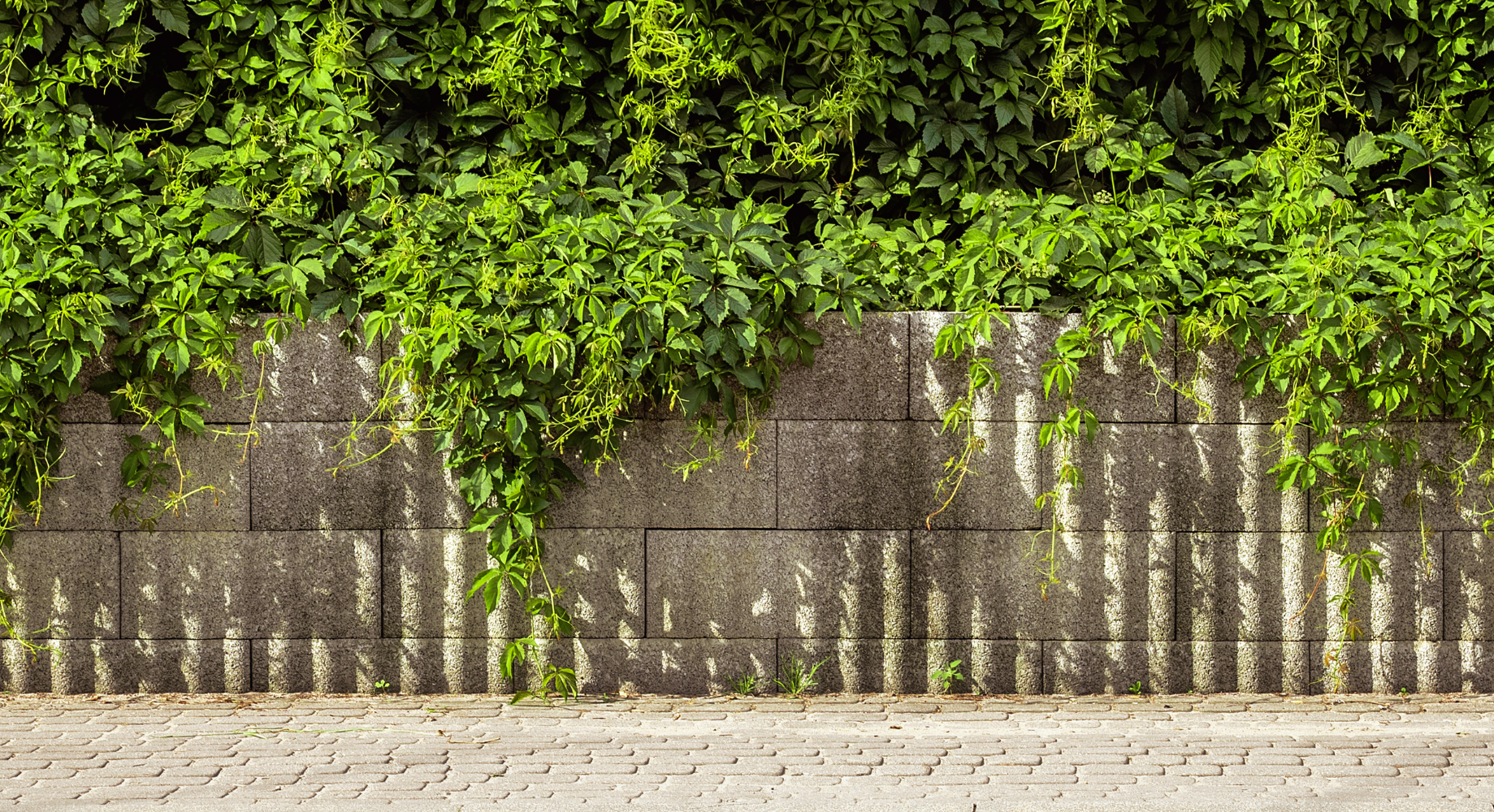
Clear, well-maintained Rights-Of-Way (ROW) make Asheville safer, more accessible, and more pleasant to live in.
- Safer routes for pedestrians, people using wheelchairs or strollers, bicyclists, and drivers.
- Fewer trip hazards, better lines of sight at intersections, and clearer travel corridors.
- Improved neighborhood appearance and community pride.
- Prevents situations where people must walk in the street to get around overgrown vegetation in sidewalks.
What the City ordinance says
Below are the key requirements property owners should know:
- Keep it clean and safe (Section 15-5): Property owners or tenants must keep areas that touch their property — sidewalks, grass strips, curbs, gutters, half of adjoining alleys, and the ROW up to the edge of the street — free of trash and overgrown vegetation. That includes mowing, weed control, and trimming so sidewalks and gutters are not blocked.
- Trim plants that extend into public space (Section 20-24): Bushes, vines, trees, and other plants must not block sidewalks, streets, or create hazards. The City may issue a written order to correct problems within 30 days. If the owner does not act, the City can perform the work and charge the owner. For urgent safety risks, the City may act immediately.
- Permits for ROW trees and shrubs (Section 20-21): You cannot remove, cut, trim, or plant trees/shrubs rooted in the public ROW or on City property without a permit. If you want to plant in the ROW, get a permit first. Utility companies may perform routine trimming under City standards but need permits to remove trees. To receive a permit email Mark Foster at mfoster@ashevillenc.gov.
How to keep your right of way compliant
When to do maintenance
- Regular seasonal checks — at minimum in spring and fall.
- After storms: Clear debris promptly to keep sidewalks and gutters safe.
- When you or neighbors notice sightlines blocked at intersections, or sidewalks that force pedestrians into the roadway.
Quick step-by-step guide
- Identify the ROW boundary — generally the sidewalk, grass strip, curb, and up to the pavement edge along your property. (If unsure, contact Public Works for help.) Neighbors should work together to agree on who will trim the overgrowth. City staff is not available to resolve disputes among neighbors.
- Walk the edge of your property and look for:
- Branches overhanging sidewalks at head/eye level.
- Shrubs or grass encroaching onto the walking surface.
- Plants blocking sightlines at intersections or driveways.
- Trim hedges and low branches so sidewalks have a clear width and height for wheelchairs and strollers. Prune branches high enough to allow safe passage and good visibility.
- Remove stacked debris away from the sidewalk and gutter. Follow City brush and debris collection schedules when disposing of woody debris.
- If a tree is rooted in the ROW, do not remove or cut it without a permit — contact Public Works or the City Arborist.
- Report hazards or large trees that may be unsafe using the Asheville App or by contacting Public Works.
Resources
- Asheville App — report hazards, request inspections, or request City support for large or dangerous trees.
- Public Works / City Arborist — contact for permit questions, tree assessments, and clarifications.
- Brush & debris collection schedules — check the Public Works page for seasonal collection information.
- How to prune your trees – understand why, when and how to maintain your landscape trees
What the City will do — education first
The City’s first priority is education. If a hazard is reported repeatedly and owners don’t respond after notices, the City may issue a written order with a 30-day correction period.
If hazards are not corrected, the City can perform the work and bill the property owner. For immediate safety risks, the City may act sooner to protect the public.
Frequently asked questions (FAQ)
Q: Is that tree in front of my house the City’s tree or mine?
A: If the trunk is rooted in the public right-of-way or on City property, it is considered a City tree. You cannot remove or permanently alter it without a permit. Contact Public Works or the City Arborist before taking action.
Q: How far back do I need to trim my bushes from the sidewalk?
A: Trim so the full walking width of the sidewalk is clear and accessible — no branches or bushes should force pedestrians into the street. See our diagrams for recommended clearances.
Q: Who cleans up after a storm?
A: Property owners are responsible for vegetation and debris adjacent to their property. The City performs ROW storm debris removal projects in certain circumstances.
Q: What happens if I don’t trim and the City sends a notice?
A: The City’s first priority is education. If the same hazard repeats and owners don’t respond after notices, the City may issue a written order with a 30-day correction period.
If hazards are not corrected, the City can perform the work and bill the property owner. For immediate safety risks, the City may act sooner to protect people. For immediate dangers, the City can act right away.
Q: I rent—am I responsible?
A: Maintenance responsibility depends on your lease. Renters should contact their landlord or property manager; landlords are accountable for ensuring the property meets ordinance requirements.
Contact
Mark Foster
City Arborist
Public Works Department
City of Asheville
mfoster@ashevillenc.gov